
For years, brands approached video the same way they approached campaigns:
create one great piece, launch it, and move on.
One hero video. One big moment. One shot to make an impact.
That model is dead.
Today, a successful video marketing strategy isn’t about producing a single asset—it’s about building a video content ecosystem that drives engagement, visibility, and ROI across every stage of the buyer journey.
Why One-Off Videos No Longer Work in Modern Marketing
The traditional approach to video production assumes a linear journey:
- Create a high-quality video
- Launch it
- Expect results
But modern audiences don’t behave that way anymore.
Today’s buyers:
- Scroll quickly
- Consume short-form and long-form video interchangeably
- Engage across multiple platforms
- Require repeated exposure before converting
Short-form video continues to dominate awareness and engagement, while longer-form video builds trust and drives conversions—meaning brands need multiple touchpoints, not just one.
A single video—no matter how polished—cannot support a complete video marketing strategy.
From Video Campaigns to Video Content Ecosystems
Instead of thinking in terms of individual videos, leading brands are building video content strategies designed as systems.
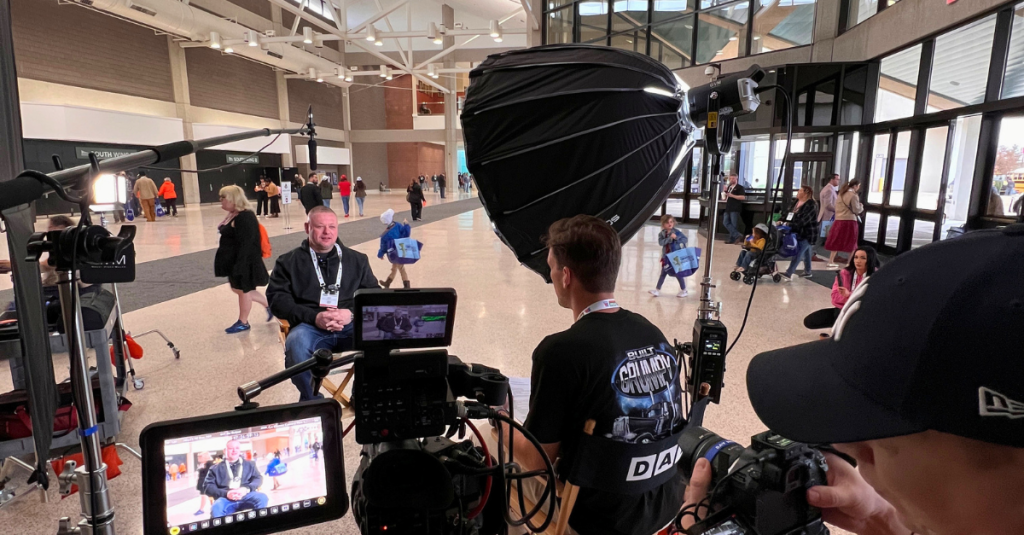
One production becomes the foundation for dozens of assets, each serving a specific purpose.
At SpotOn Productions, we think about this as a scalable video production strategy framework:
1. Hero Video: The Foundation of Your Video Marketing Strategy
Your hero video is your anchor.
- It might be:
- A brand story
- A product launch
- A campaign centerpiece
This is your highest-quality, most intentional piece of content.
But here’s the shift:
The hero video is no longer the final deliverable—it’s the starting point of your video content ecosystem.
2. Repurposed Content: Scaling Reach Through Video Cutdowns
From a single shoot, brands can create:
- 15–30 second short-form videos
- Vertical content for TikTok, Reels, and YouTube Shorts
- Multiple hooks for A/B testing
- Audience-specific edits
This approach aligns with how content is consumed today: fast, mobile-first, and repetitive.
A strong video content strategy depends on repurposing—turning one production into dozens of assets that extend reach and performance.
3. Paid Media Video: Driving Measurable Marketing ROI
A modern video marketing strategy must support performance marketing.
Your video ecosystem should include:
- Paid social ads
- Retargeting video content
- Platform-specific creative variations
Instead of relying on one ad, brands deploy multiple assets tailored to:
- different audiences
- different funnel stages
- different platforms
This is where video becomes a measurable driver of marketing ROI, not just brand awareness.
4. Sales Enablement: Using Video Beyond Marketing
One of the most overlooked parts of a video production strategy is internal and sales usage.
From the same shoot, you can create:
- Sales presentation videos
- Case study content
- Recruiting videos
- Internal communications
Video helps simplify complex messaging, making it easier for prospects—and teams—to understand and engage.
Benefits of a Video Content Ecosystem
1. Higher ROI From Every Shoot
Instead of one asset, you create multiple pieces of content from a single production.
2. Stronger Multi-Touch Marketing
Your audience sees your message multiple times across platforms—building familiarity and trust.
3. Consistent Brand Storytelling
A unified video marketing strategy ensures your message stays consistent everywhere it appears.
4. Future-Proof Content
With modular assets, you can:
- re-edit
- reformat
- redistribute
Your content works longer and adapts to changing platforms.
The Biggest Mistake in Video Marketing Today
Many companies still ask:
“Can you create a video for us?”
But the better question is:
“How can we build a scalable video marketing strategy?”
Because the difference isn’t just content—it’s performance.
Video Marketing Trends: What This Means for 2026
The future of video isn’t about producing more—it’s about producing smarter.
Brands that win:
- Plan distribution before production
- Design shoots for scalability
- Invest in long-term video content strategies
As video continues to dominate digital marketing, the shift toward ecosystems isn’t just a trend—it’s a requirement.
Conclusion: Why Your Video Strategy Needs to Evolve
The era of one-off videos is over.
Not because video matters less—but because it matters more than ever.
A strong video marketing strategy requires:
- planning
- scalability
- integration across channels
The brands that understand this will outperform those still relying on isolated content.
Not Sure Where to Start?
Every brand is at a different stage when it comes to video.
Whether you’re exploring your first major production or looking to scale your content, we can help you map out a strategy that actually works.
Reach out for a conversation.