
“Why does professional video production cost more than I expected?”
It’s a fair question. And honestly, we understand why people ask it.
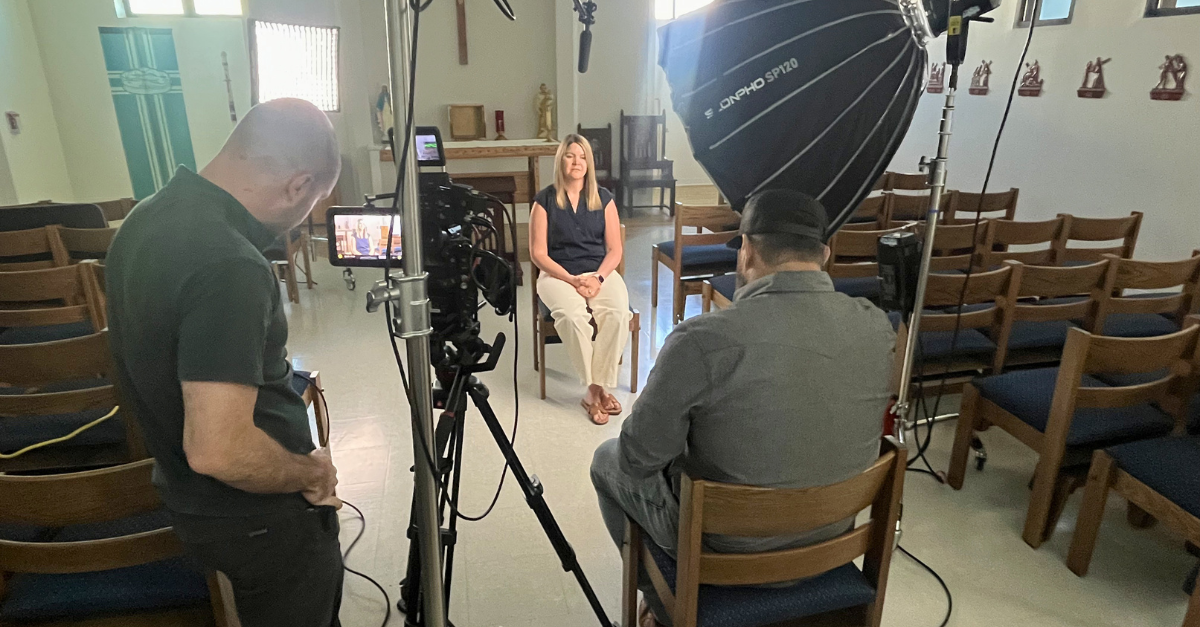
From the outside, video production can look pretty straightforward. A crew shows up. Cameras come out. Lights get set. Interviews are recorded. B-roll is captured. Then, a few weeks later, a finished video is delivered.
But a professional video is not just the time spent filming. It is the planning before the shoot, the expertise during production, and the care that goes into shaping the final piece afterward.
More than anything, it is the experience behind all of those decisions that helps make a video feel polished, intentional, and true to your brand.
The Work Starts Before the Camera Comes Out
A strong video does not start on shoot day. It starts with purpose.
Before anyone talks about cameras, locations, or schedules, you have to understand what the video needs to accomplish. Who is it for? What do they need to understand? How should they feel after watching? What action do you want them to take?
Those questions shape the entire project.
They influence the script, the interview questions, the location, the visual style, the schedule, the crew, the lighting approach, the music, the pacing, and the final edit. Without that kind of direction, a video can quickly become a collection of nice-looking shots that never quite says what it needs to say.
That is why pre-production matters so much.
Discovery meetings, creative direction, project planning, scripting, interview preparation, location scouting, scheduling, logistics, and shot planning all help make sure the production day has a clear plan behind it.
We often say that money is saved in pre-production planning. When the right work happens before the shoot, the production runs smoother, the edit is stronger, and the final video is more likely to accomplish what it was created to do.
Shoot Day Takes More Expertise Than People Realize
The production day is the most visible part of the process, but that does not mean it is simple.
A good production day takes a lot of experience. It takes knowing how to walk into a space and understand how to make it work on camera. It takes knowing how to light a room well, capture clean audio, frame a strong shot, manage the schedule, and help people feel comfortable when the camera is pointed at them.
It also takes the ability to adjust.
A room may be louder than expected. A location may not have the natural light you hoped for. An interviewee may be nervous. The schedule may shift. A key moment may happen earlier than planned. A professional crew knows how to respond without letting those challenges derail the day or weaken the final product.
That is part of what you are investing in.
You are not just hiring someone to press record. You are bringing in a team that understands how to protect the quality of the project while everything is happening in real time.
The Gear Matters, But the Experience Matters More
Professional video production also requires a significant investment in equipment and tools.
Cameras, lenses, lighting, audio equipment, monitors, computers, editing software, hard drives, backup systems, insurance, and training are all part of the work. Those investments help create a more reliable and professional production experience.
But gear is only part of the equation.
A great camera does not know where to point itself. A light does not know how to shape a face. A microphone does not know how to avoid background noise. Editing software does not know how to build a story.
The real value is in the people using those tools.
There is an old story about Picasso painting in a public square when a woman asked him to sketch her. He finished the drawing in just a few minutes, and when she asked how much it cost, she was shocked by the price. She told him it had only taken a few minutes.
Picasso replied, “No, ma’am. It took me a lifetime.”
That is a lot like professional video.
Yes, there is the time you see. The shoot day. The crew. The equipment. The editing.
But what you are really investing in is the experience behind it all. The years spent learning how to solve problems, capture meaningful moments, guide people on camera, shape a story, and make a finished piece feel effortless.
Post-Production Is Where the Story Comes Together
Once filming is complete, the work is far from over.
Raw footage still has to become a finished video. That means reviewing interviews, organizing footage, finding the strongest soundbites, building the story, selecting music, editing the sequence, cleaning up audio, correcting color, adding graphics, creating titles, incorporating branding elements, and preparing the final exports.
A lot of the work in post-production is not flashy. In fact, when it is done well, most viewers do not notice it.
They do not think about the audio mix. They do not think about the pacing of the edit. They do not think about the color grade, the music cue, the lower third, or the moment where one interview answer was carefully paired with the right visual.
They just feel like the video works.
That is the goal.
A polished video should not feel overproduced. It should feel clear, credible, and natural. It should hold attention without distracting from the message. It should feel like it belongs to your company.
Reliability Is Part of the Investment
There is another piece of professional production that often gets overlooked: reliability.
Most people do not think about backups, data management, redundant systems, or file organization until something goes wrong. But if you have ever heard a story about corrupted footage, bad audio, missing files, or a project that never came together the way it was supposed to, you know how important those things are.
A professional production partner thinks through those risks before they become problems.
That means backup equipment, proper media management, clean audio practices, tested workflows, and a process for reviewing and revising the final piece. It also means having a team that understands how much trust is involved when a company puts its story, people, and brand in someone else’s hands.
When you hire a professional team, you are investing in peace of mind.
You are trusting someone to protect your footage, your time, your message, and ultimately your brand.
Could You Spend Less? Sure.
There is almost always a cheaper way to make a video.
But the better question is not, “How little can we spend?”
The better question is, “How important is the outcome?”
If the video is representing your company, telling your story, supporting your sales team, attracting talent, training employees, launching a product, or building trust with customers, the outcome matters.
A poorly planned or poorly executed video can create more problems than it solves. It can feel generic. It can miss the message. It can fail to connect with the audience. It can make your brand look less credible than it really is.
A well-made video does the opposite. It helps people understand who you are, what you do, why it matters, and why they should care.
That is why professional video is an investment.
Not just in production quality, but in clarity, confidence, and credibility. It is an investment in making sure the final piece represents your brand well.
The Best Videos Often Look Effortless
The best productions do not always look complicated.
In fact, they often feel simple.
The message is clear. The visuals feel natural. The people on camera seem comfortable. The pacing feels right. The final video looks polished without feeling forced.
But that kind of simplicity does not happen by accident.
It happens because of the planning, the production expertise, the creative decisions, the technical skill, the editing, the systems, and the years of experience behind the work.
So when people ask why professional video production costs more than they expected, the answer is not simply because of the cameras, the crew, or the edit.
It is because a lot of work goes into making the final piece work.
And even more than that, a lot of work goes into making sure it represents your brand the right way.
Next Steps
If you are thinking about investing in video, the first step is not figuring out how much footage you need or how many shoot days it will take.
The first step is figuring out what you need the video to do.
At SpotOn Productions, we help companies create bespoke videos that inspire, clarify their message, and show the world their best. If you want a video that does more than simply look good, but actually represents your brand well, we would love to start that conversation.