
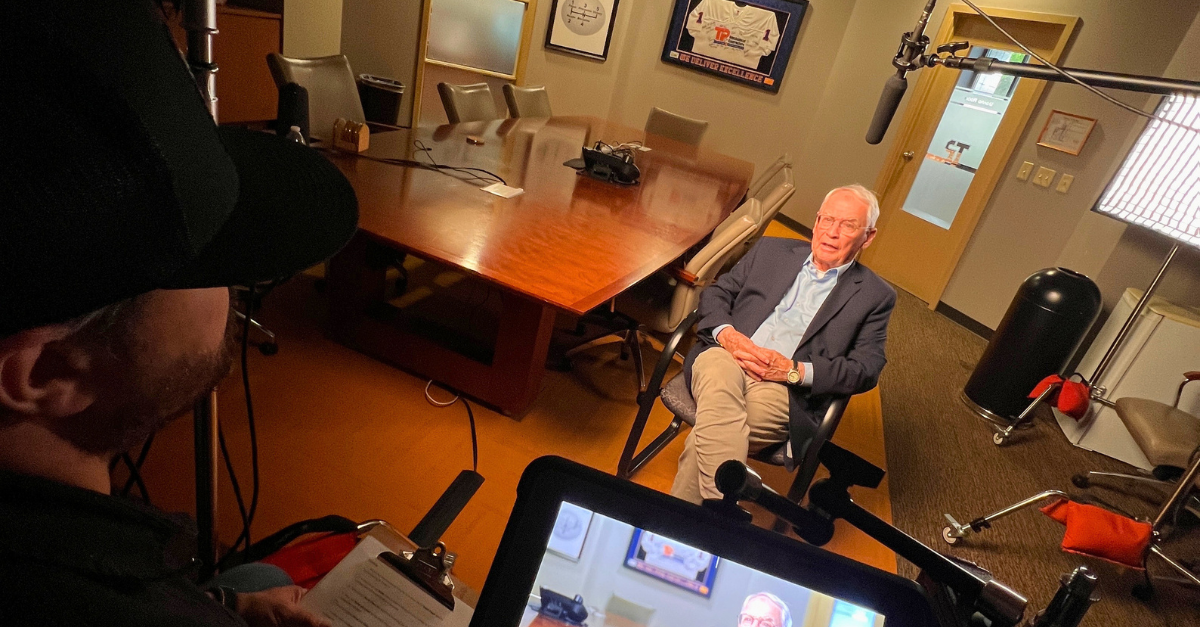
Internal communication has always been one of the hardest things for companies to get right.
Important updates get buried in crowded inboxes. Employees skim long emails and miss key details. Remote and hybrid teams can feel disconnected from leadership, culture, and the bigger picture of where the company is headed.
That is why more organizations are turning to video as a better way to communicate with their teams.
Video is faster to consume, easier to understand, and more human than another long email or PDF attachment. Whether it is a CEO update, onboarding message, training video, company announcement, or culture piece, video helps employees connect with the message and the people behind it.
And that matters.
Your employees are one of your most important audiences. How you communicate with them affects how aligned, informed, engaged, and connected they feel at work.
Employees Need More Than Another Email
Most employees already receive more emails than they can keep up with. So when another company-wide announcement hits their inbox, even an important one, it is easy for that message to get skimmed, delayed, or missed altogether.
That does not mean employees do not care. It means the format is working against you.
Video gives internal communication a better chance to land. It brings tone, expression, pacing, visuals, and emotion into the message. Employees can see and hear the person speaking. They can better understand the context. They can feel the weight of the message in a way that text alone often cannot deliver.
A short, well-planned video from leadership can often communicate more clearly in two minutes than a long email can in several paragraphs.
Why Video Works So Well for Internal Communications
Video feels more personal
Employees want transparency from leadership. They want to understand what is happening, why it matters, and how it affects them.
A written memo can feel formal or distant, even when the intention behind it is good. Video helps close that gap.
When employees can see and hear a leader speak directly to them, the message feels more genuine. A company update becomes more than information. It becomes a moment of connection.
That is especially valuable when communicating company goals, challenges, wins, changes, or moments that require trust and alignment.
Video makes information easier to understand
Some internal messages are simply hard to communicate through text.
Think about organizational changes, benefits updates, compliance reminders, new processes, software training, or operational procedures. These topics can become dense quickly when they are written out in email form.
Video allows companies to explain, show, and reinforce the message at the same time.
Instead of asking employees to read through pages of instructions, you can walk them through a process step by step. You can use visuals, examples, voiceover, screen recordings, graphics, or real workplace footage to make the information easier to follow.
That helps employees understand the message faster and retain it longer.
Video connects remote and hybrid teams
As more teams work across different locations, schedules, and environments, maintaining a strong culture is harder than it used to be.
Video helps bridge that gap.
A team member who is remote, on the road, working a different shift, or based in another location can still hear from leadership, see what is happening across the organization, and feel included in the larger company story.
Town halls, department updates, onboarding videos, employee spotlights, culture stories, and event recaps can all help create a more consistent employee experience.
When people cannot always be in the same room, video helps bring the room to them.
Video saves time
Poor communication is expensive. Not just financially, but in time, energy, and confusion.
When messages are unclear, employees ask follow-up questions. Managers repeat the same explanations. Meetings get added to clarify what could have been communicated more effectively the first time.
Video can help reduce that friction.
A clear internal video can align teams quickly, answer common questions, and give employees a resource they can revisit when needed. This is especially useful for training, onboarding, safety communication, policy updates, and process changes.
The result is not just better communication. It is more efficient communication.
Examples of Internal Communication Videos
Video can support nearly every part of the employee experience. The key is to think beyond one-off announcements and build internal video content around the moments where clarity, consistency, and connection matter most.
Leadership and executive updates
Instead of relying only on company-wide emails, leadership teams can use short monthly or quarterly videos to share company performance, strategic priorities, organizational changes, upcoming goals, employee recognition, and important updates.
These videos help employees hear directly from leadership and better understand where the company is headed.
Employee onboarding videos
First impressions matter.
Video can make onboarding more engaging, consistent, and scalable. New hires can be introduced to the company’s culture, leadership, locations, expectations, policies, and processes in a way that feels more welcoming than a stack of documents.
It also helps HR teams avoid repeating the same information over and over while still giving every new employee a consistent experience.
Training and educational content
Training videos help standardize learning and make important information easier to digest.
This can include compliance training, safety procedures, software tutorials, customer service training, sales enablement, leadership development, or role-specific education.
Employees can also revisit the content whenever they need a refresher, which makes training more useful long after the first viewing.
Company culture and employee spotlight videos
Culture is not built by a paragraph on a careers page. It is built through people, stories, values, and shared experiences.
Internal culture videos can highlight employee stories, team celebrations, community involvement, milestone moments, volunteer events, behind-the-scenes moments, and the people who make the company what it is.
These videos help employees feel seen, connected, and proud to be part of the organization.
Internal event coverage
Not every employee can attend every town hall, company meeting, conference, product launch, or awards event.
Video helps extend the value of those moments.
Event recap videos, highlight reels, leadership messages, and recorded presentations allow employees who could not attend live to still stay informed and engaged.
Crisis and change communication
During uncertain moments, communication needs to feel clear, calm, and human.
Whether a company is addressing restructuring, policy changes, leadership transitions, safety concerns, or major business updates, video allows leaders to communicate with empathy and transparency.
In those moments, tone matters. Presence matters. Trust matters.
Video gives leaders a better way to show up.
Internal Communication Should Create Connection
At its best, internal communication does more than distribute information. It creates alignment. It builds trust. It helps employees understand not just what is happening, but why it matters.
That is where video becomes so valuable.
It gives companies a more human way to communicate with their teams. It helps employees see the people behind the message. It turns updates, training, onboarding, and culture initiatives into content employees are more likely to watch, understand, and remember.
At SpotOn Productions, we help organizations create strategic internal communication videos that inform, inspire, and engage their workforce.
From executive messaging and onboarding to training content, employee stories, and culture videos, we help companies turn communication into connection.
Ready to Create Internal Videos Your Employees Will Actually Watch? Contact SpotOn Productions today to start the conversation.